Guide to composites
What are composites?
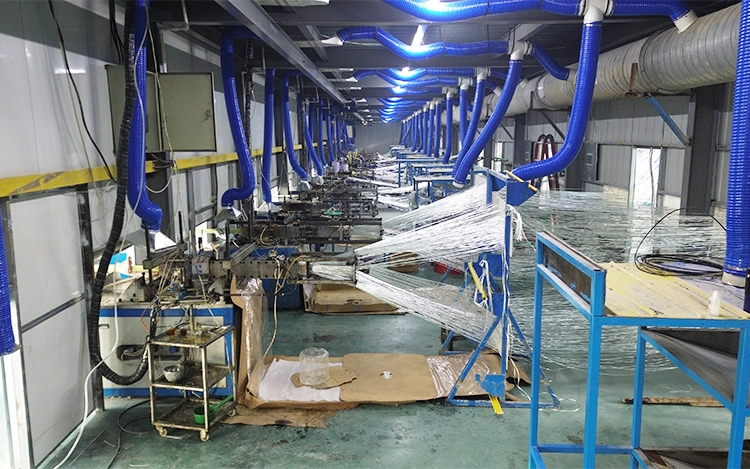
The products described in this manual are based on fiber-reinforced resin matrix composites processed by pultrusion technology. The reinforced materials mainly include glass fiber, basalt fiber, carbon fiber, polyester fiber, and other fiber products.
The characteristics of pultrusion technology
1. Continuous fiber reinforcement
2. Uniform cross-section of the profile
3. Diversified cross-sections
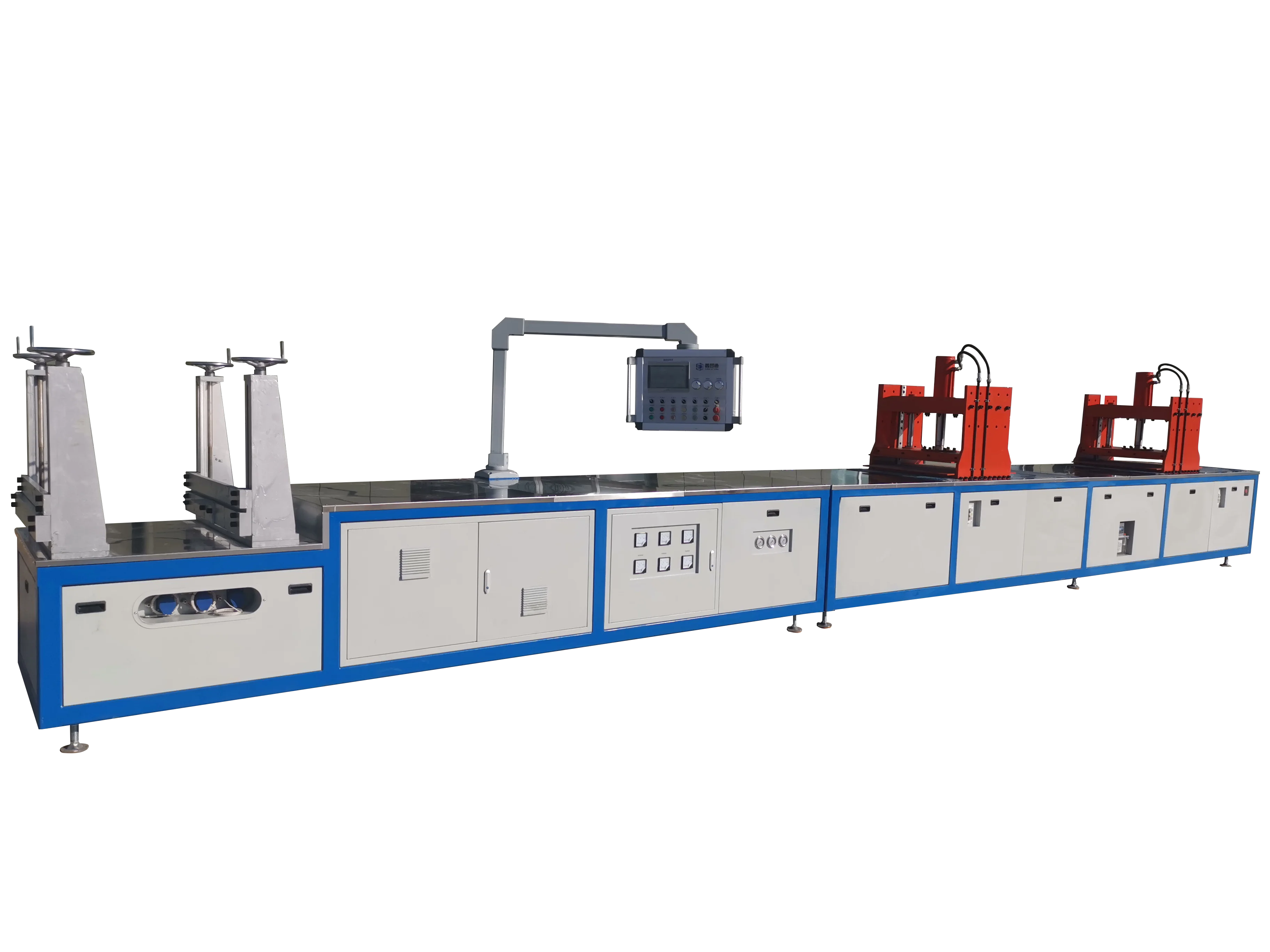
Depending on the difference in the profile cross-section and the method of power output, the equipment can be divided into track-type and hydraulic-type. To achieve precise control, the composite pultrusion equipment has all realized CNC control and servo drive technologies, etc. The upgrade of the equipment has led to a qualitative leap in both the performance and appearance of the composite materials.
What reinforcing fibres do in a composite
Reinforcing fibres carry most of the load in a composite material. Their primary role is to provide strength and stiffness, while the surrounding resin supports and protects them. In practice, the mechanical performance of a composite is largely defined by the fibres that are used and how they are arranged.
Composite manufacturing methods at Enbuess Composites
The performance of a composite structure depends not only on material design but also on how consistently that design can be manufactured. At Enbuess Composites, this is achieved through continuous manufacturing processes that enable precise control of fiber placement, resin content, and geometry at an industrial scale.
These processes are particularly well suited to producing high-quality composite profiles, tubes, and panels with repeatable properties and predictable performance over long service lives.